
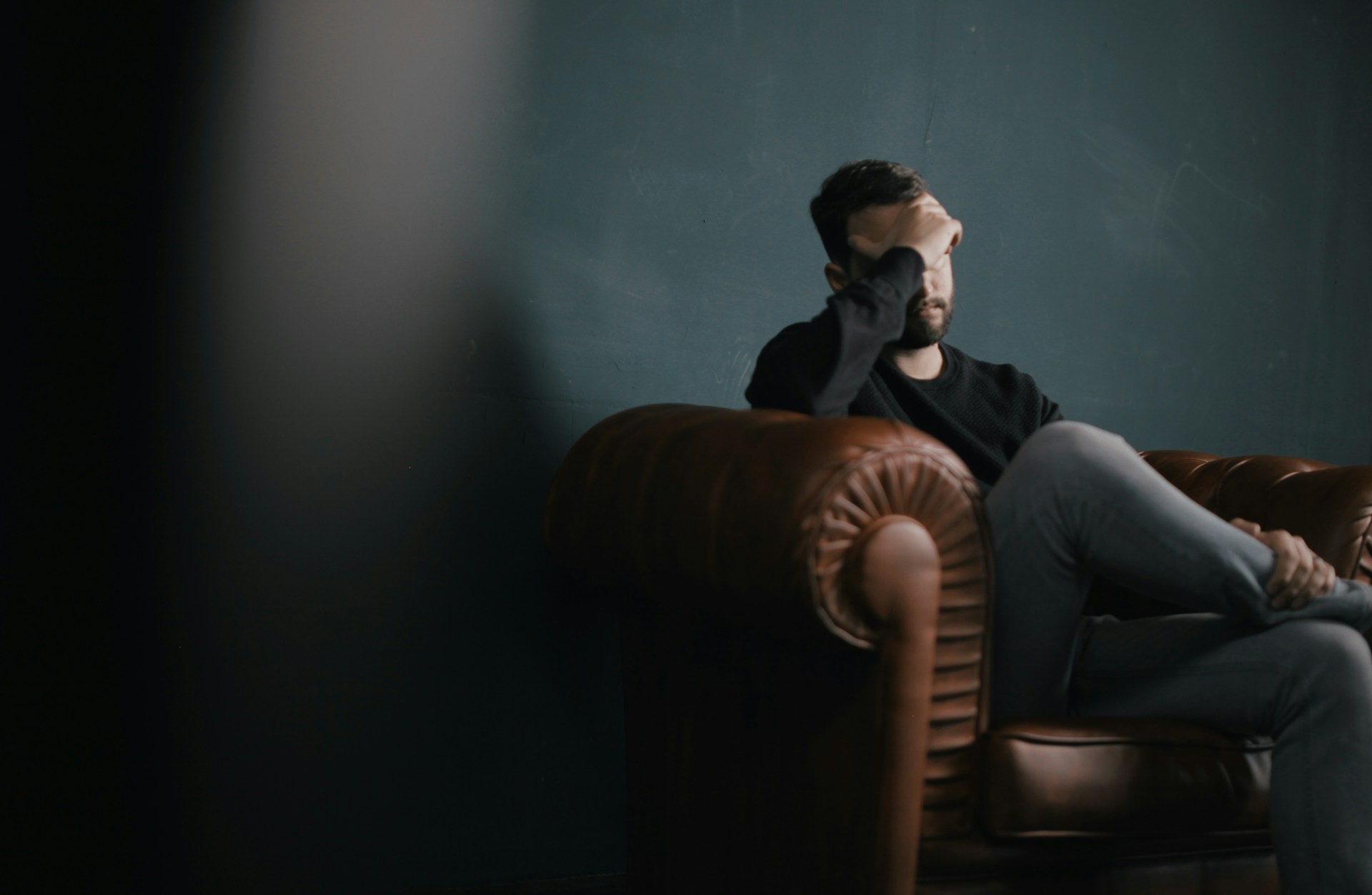
It begins relatively innocuously. An unusual feeling in your chest, a sudden headache, a lump you are certain did not exist before last week. You Google your symptoms “simply to reassure yourself.” Within ten minutes you are three pages deep in the possibilities of a terrible diagnosis, your heart is pounding out of control, and your previously booked doctor’s appointment no longer feels like such a good idea – because the doubts start creeping back in within days, even hours.
If this sounds familiar to you, here are two important pieces of information for you: first, you are not being dramatic and you are not being ridiculous, and second, this is one of the problems that therapy deals with exceptionally well. Here is why:
Health Anxiety is not hypochondriasis as depicted in a caricature. It is an exhausting cycle in which your brain reacts to any uncertainty about your health as if you were facing a threat. The problem itself is usually not the symptom – it is what surrounds it.
This is what the health anxiety cycle looks like: your brain spots something unusual in your body, makes an alarming interpretation of it, fills your body with panic.
How CBT Therapy breaks the cycle
Treatment for health anxiety through CBT would focus on the behaviors maintaining the cycle. These include:
Learning about the anxiety circuitry. Understanding how anxiety produces these symptoms in order to recognize how, for example, adrenaline can really produce the tingling, dizzy, and chest constricting feelings associated with it. Testing out your predictions in the face of evidence that contradicts the predictions of how body works.
Cutting back on checking, step-by-step and with support. Not quitting all at once but gradual cutting back. Starting with postponing the check; waiting until the impulse to check subsides by itself. It usually does.
Rewriting the rules of uncertainty. Uncertainty is intolerance at the heart of it. Not persuading oneself to believe that one will never get sick because of some reassuring thoughts. This is another form of reassurance that wears off with time, anyway. But learning to tolerate the idea that there is no way to be 100% sure what would happen tomorrow and that it is possible to live happily regardless of it. Many people have other beliefs underlying their anxiety – some upsetting experience of being ill or the upbringing in a family in which healthiness was viewed as frailty.
What recovery looks like
Recovery doesn’t involve stopping symptoms from occurring altogether. It involves recognising a sensation, experiencing a moment of worry, and then moving on. The checking stops, appointments with the doctor revert to normal intervals, and the phone becomes no longer a portal to medical journals. For most of my clients, the process feels astounding: the same physical body but a mind that no longer interprets every sensation as a crisis.
If reading this was too close for comfort, the recognition is a good sign – it means that the process is approachable. I provide a consultation meeting where we can discuss your situation and determine if this treatment modality will be right for you.


Leave a Reply